
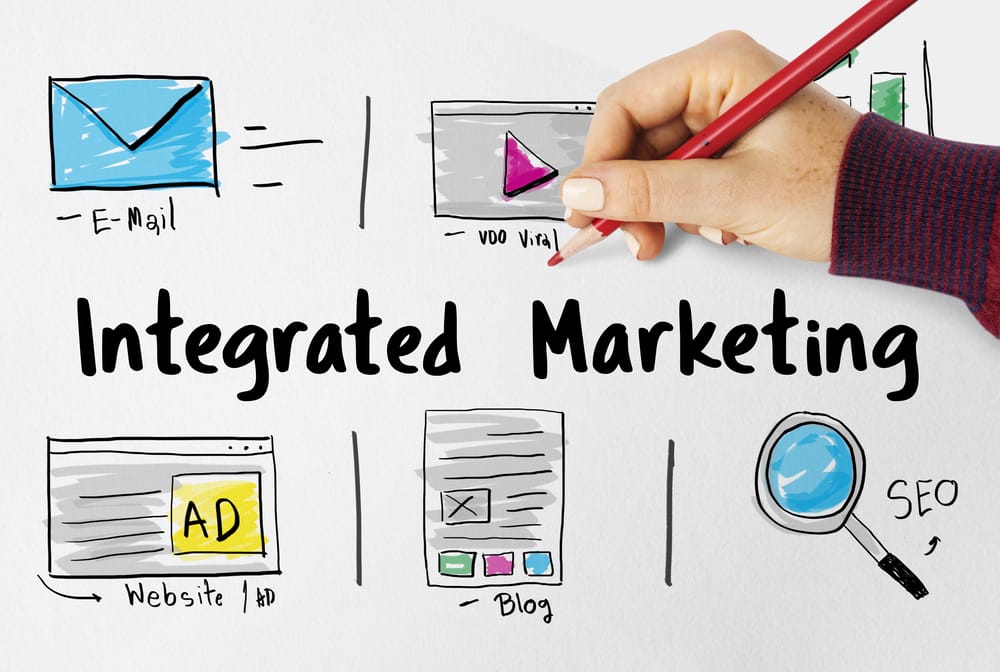
The concept of integration is a common one within the digital marketing world, so much so that it’s led to its own jargon in the form of “integrated advertising” or “integrated marketing.” What is an integrated marketing or advertising campaign, and what are some qualities that help it integrate across various channels seamlessly for optimal results?
At BWP Communications, we’re here to offer the very best integrated advertising services available around Salt Lake and nearby parts of Utah, helping clients create seamless integrated marketing campaigns that will reach leads across channels. Here are some basics on what integrated marketing is, plus some of the key qualities that should be prioritized to optimize any integrated advertising campaign.
What is Integrated Advertising?
For those just learning about integrated advertising, it may be helpful to start with a definition. Integrated advertising, also known as integrated marketing communications (IMC), is the process of unifying all marketing and communication efforts across various channels and platforms to create a seamless and consistent brand experience for consumers.
This process helps to ensure that all messaging, branding, and visuals are cohesive and aligned across traditional advertising methods such as television, print, and radio, as well as newer digital platforms like social media, email marketing, and search engine optimization (SEO). The goal of integrated advertising is to create a comprehensive strategy that allows for maximum impact and reach across different demographics and target audiences. By combining various channels and strategies, integrated advertising aims to create a unified voice for the brand and enhance its overall effectiveness.
What are the top qualities of integrated marketing programs that help them seamlessly combine various channels and media? Our next several sections will break it down.
Singular Core Message and Visual Theme
Across all major platforms utilized for integrated marketing, the core message and visual theme remain consistent. This ensures that the brand’s voice is unified and recognizable, regardless of where it appears.
For instance, if you see an advertisement on television, the same message and visuals are likely to appear on the brand’s website or social media accounts. This consistency helps to reinforce the brand’s identity and makes it easier for consumers to remember.
Coordinated Timing
Another key factor in integrated marketing is coordinated timing. This refers to the strategic planning and execution of marketing efforts across different channels at the same time.
For example, a brand may launch a new product with a programmed ad, followed by social media posts, email campaigns, and in-store promotions, all within a few days of each other. This creates a sense of excitement and urgency among consumers, increasing their likelihood of making a purchase.
Tracking Users Across Channels
Throughout any integrated advertising campaign, tracking users and their interactions with the brand is essential. This allows marketers to understand which channels are most effective in driving conversions and adjust their strategy accordingly.
There are various tools available for cross-channel tracking, such as Google Analytics, Adobe Analytics, and Facebook Pixel. These tools provide valuable insights into user behavior and help measure the ROI of marketing efforts across different platforms.
Measure Holistically, Not Channel By Channel
As you’re charting your success across your integrated marketing campaign, it’s important to avoid the siloed approach of focusing on individual channels. Instead, take a holistic view of all your marketing efforts and how they work together to drive conversions.
For example, while one channel may have a lower conversion rate compared to others, it may still play a crucial role in driving overall conversions by introducing new customers or creating brand awareness. By looking at the big picture rather than just individual metrics, you can make more informed decisions about where to allocate your marketing budget and resources.
Leverage Data for More Effective Targeting
With cross-channel tracking, you can also use data from different channels to better target your audience. For instance, if you see that certain demographics tend to interact more with your social media posts, you can use this information to create targeted advertisements for that specific group.
Additionally, by tracking user behavior across channels, you can better understand their preferences and interests, allowing you to personalize your marketing efforts for maximum impact.
Importance of Working With Marketing Professionals
To truly create a seamless integrated marketing campaign, it’s often quite helpful to work with marketing professionals. These experts have the knowledge and experience necessary to navigate the complexities of various marketing channels and create cohesive strategies that align with your overall goals.
Marketing professionals can also provide valuable insights and data analysis, helping you make informed decisions based on concrete data rather than assumptions or biases. Furthermore, they often have access to advanced tools and technologies that can enhance your marketing efforts and give you a competitive edge in reaching your target audience.
At BWP Communications, we’re here to help clients around SLC and nearby parts of Utah with any integrated advertising need. Contact us today to get started and learn how we’ll create a seamless integrated marketing campaign for your business!